Hottest Topics & News
-

When “Future-Proof” Tech Fails
At some point, we’ve all believed in future-proof tech—a laptop, console, or phone that promised to outlast the next wave of innovation. The phrase itself feels optimistic, almost comforting. It suggests permanence in a world obsessed with updates. But when you look back, the gadgets that once felt ahead of their time often end up
-
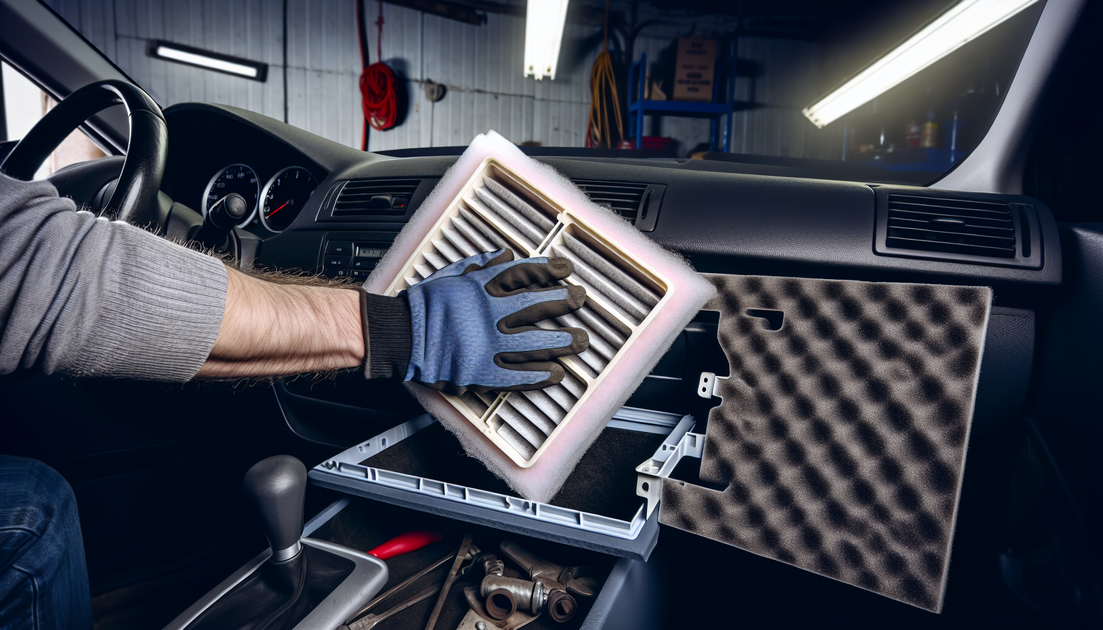
The $50 Foam Filter Lesson
When a Reddit user discovered that their “new” cabin air filter was actually just a piece of foam, it struck a chord with thousands of car owners. It wasn’t just about fifty dollars—it was about trust, expertise, and the uneasy relationship many of us have with the people who maintain our machines. For something as
-

AI Tool Catches Early Alzheimer’s Signs
In a cluttered UCLA lab lined with humming servers and glowing monitors, a small team of researchers has built something quietly remarkable: an AI Alzheimer’s diagnosis system that spots disease patterns invisible to most human eyes. The tool doesn’t just analyze scans—it hunts for subtle shifts in brain structure and metabolism that traditional methods often
-

When Perfection Turns Inward
There’s a quiet tension that lives inside many high achievers—a sense that no matter how much they accomplish, they’re one mistake away from being “found out.” That feeling, better known as imposter syndrome, often hides beneath polished résumés and glowing evaluations. A new study adds nuance to this familiar story, showing that imposter syndrome and
-

Why Palantir Shouldn’t Shape UK Public Data
Palantir UK public services contracts have become a flashpoint in the ongoing debate about how governments use — and sometimes misuse — private technology in the public sector. The firm, known for its data analytics platforms used by U.S. intelligence and law enforcement, now provides infrastructure for parts of the UK’s National Health Service (NHS),
-

The Strange Protest Against AI Art
When news broke about an Alaska student AI art protest — in which a high school senior reportedly ate a piece of printed AI-generated artwork — the story spread quickly across social media. It was absurd, symbolic, and strangely fitting for our moment. But beyond the headline, it raises a deeper question: why is AI-generated
-

Talking to AI Feels Easier for Some
It’s late at night, and the room is quiet except for the faint hum of a laptop fan. Someone opens a chat window, types a few hesitant words, and confides something they’ve never told another person. For many, talking to AI feels safer than speaking to a friend. There’s no judgment, no awkward silence—just text
-

The Cow That Used a Tool
When a Brown Swiss cow in Austria figured out how to use a scratching device in multiple ways, researchers launched a careful cow intelligence study to understand what had just happened. Tool use has long been seen as a hallmark of advanced cognition—something we associate with chimpanzees, crows, or humans. Seeing it in a cow
-

Inside ELITE: How Palantir’s ICE Tool Operates
When internal materials from U.S. Immigration and Customs Enforcement (ICE) surfaced, they shed light on a controversial system known as the Palantir ICE tool. The platform, reportedly called “ELITE,” links vast troves of law enforcement and personal data to help ICE identify neighborhoods, households, and individuals for potential raids. While Palantir has long described itself
-

China’s Lead in the Clean Energy Transition
By 2026, the clean energy transition will no longer be a distant goal—it will be the backbone of the global economy. Solar panels, electric vehicles, and advanced batteries are moving from niche technologies to national priorities. And at the center of this shift stands China, whose dominance in clean technology manufacturing is helping its economy